The St. Joseph Novena: The Nine-Day Prayer Behind the Staircase
- Faith tradition
- How to pray it
- Reviewed Nov 2026
Short answer: a novena is nine consecutive days of prayer, from the Latin novem, “nine”. The Sisters of Loretto made one to St. Joseph, patron of carpenters, when they needed a staircase. Anyone can pray a St. Joseph novena today: choose nine days in a row, say a prayer to St. Joseph each day, and add your own intention. Many begin on 10 March to end on his feast, 19 March.
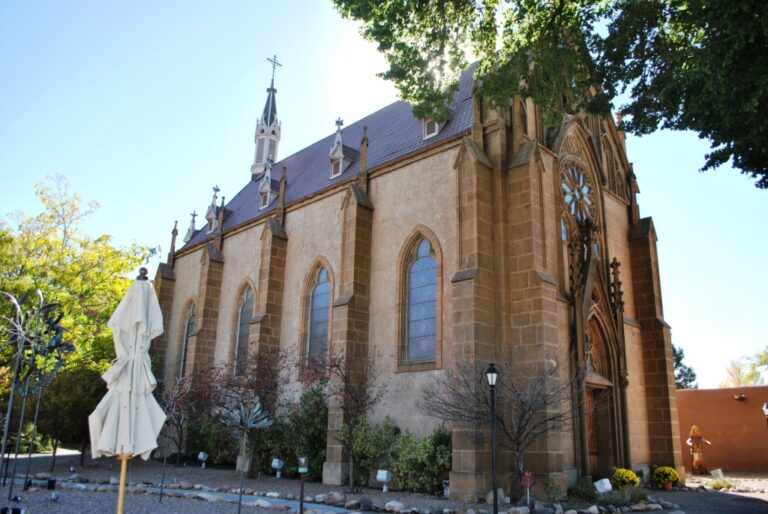
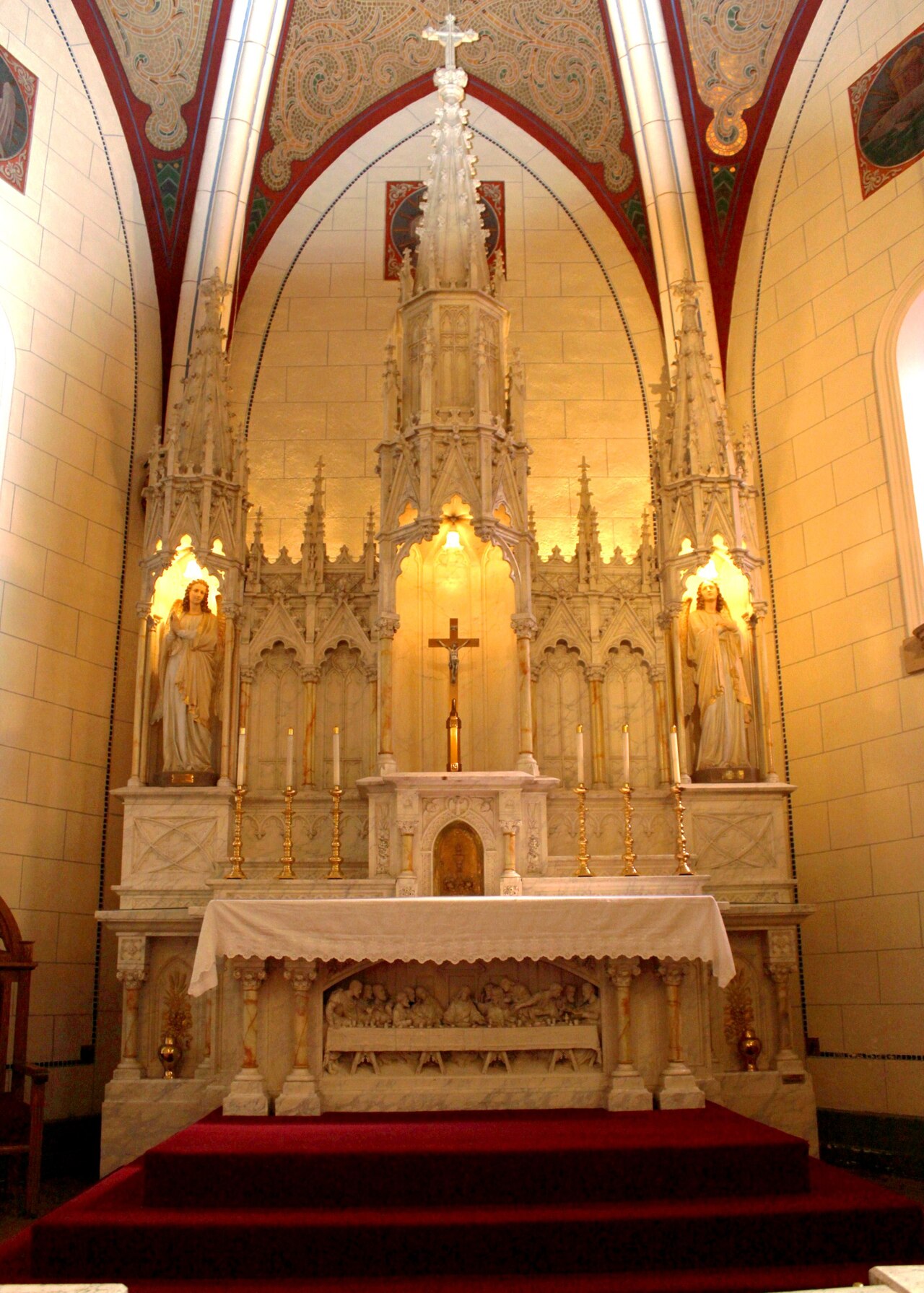
Photo above: the altar of the Loretto Chapel. Credit: MARELBU, CC BY 3.0 via Wikimedia Commons.
The novena at a glance
- Length
- Nine consecutive days
- Saint
- St. Joseph
- Patron of
- Carpenters, workers, fathers, the universal Church
- Feast days
- 19 March; 1 May (St. Joseph the Worker)
- Popular start
- 10 March, ending on 19 March
- Words used by the sisters
- Not recorded
The Loretto staircase story turns on one act: the sisters prayed a nine-day novena to St. Joseph, and on the ninth day their answer arrived. Here is what a novena is, why they chose St. Joseph, and how the same devotion is prayed today.
What a novena is
A novena is a prayer repeated over nine days in a row, usually asking a particular saint to intercede for a specific need. Catholic tradition links the practice to the nine days the apostles and Mary spent in prayer between the Ascension and Pentecost. It is not a formula that guarantees a result; it is a way of praying with persistence and trust over a set time.
Why St. Joseph
St. Joseph was the husband of Mary and foster father of Jesus. The Gospels describe him with the Greek word tektōn, a craftsman or builder, and tradition holds he was a carpenter. The Church honours him as patron of carpenters and workers, of fathers, of a happy death, and of the universal Church. His feasts are 19 March (St. Joseph, Spouse of Mary) and 1 May (St. Joseph the Worker). For a convent needing a stair built, no saint fit better.
How to pray a St. Joseph novena
- Pick nine consecutive days. Many start on 10 March to finish on 19 March, or on 22 April to finish on 1 May. Any nine days work.
- Set your intention. Name the need you are bringing, as the sisters did.
- Pray each day. Use a traditional prayer to St. Joseph, such as the one below, followed by an Our Father, a Hail Mary and a Glory Be, or your own words.
- Keep going. If you miss a day, most guides suggest simply continuing.
The Memorare to St. Joseph (traditional)
Remember, O most chaste spouse of the Virgin Mary, that never was it known that anyone who implored your help and sought your intercession was left unassisted. Inspired by this confidence, I fly unto you and beg your protection. Despise not my petition, O foster father of the Redeemer, but graciously receive it. Amen.
The exact prayers the Sisters of Loretto used in the 1870s are not recorded. The practice they followed is the same one open to anyone today.
The novena in the Loretto story
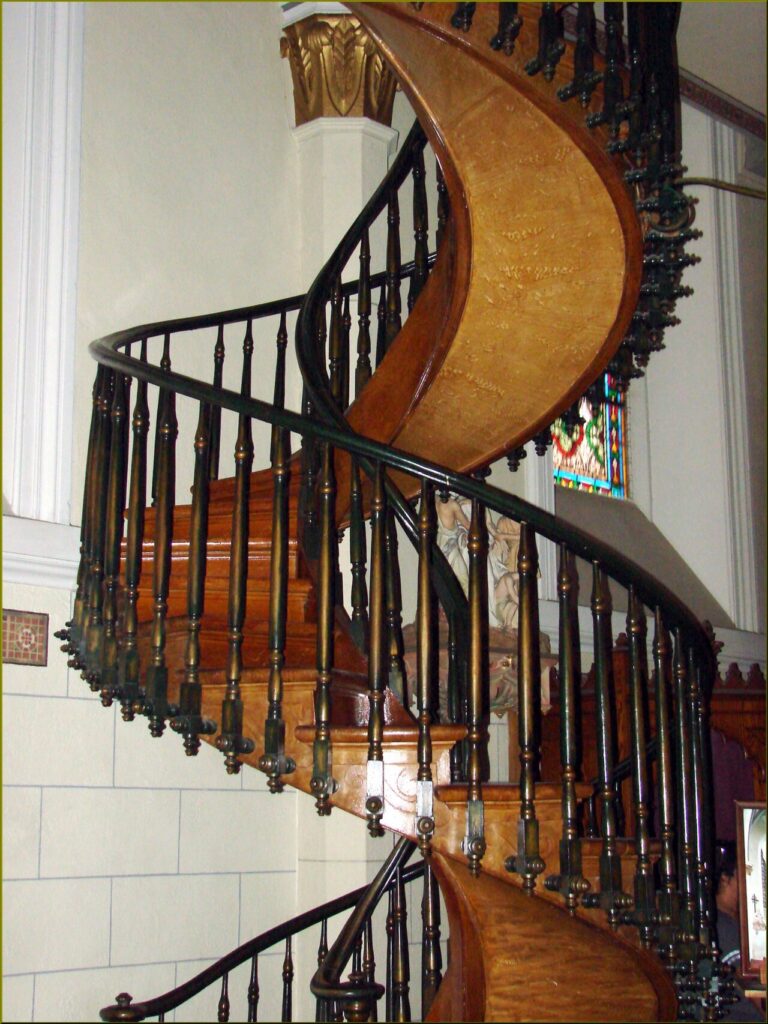
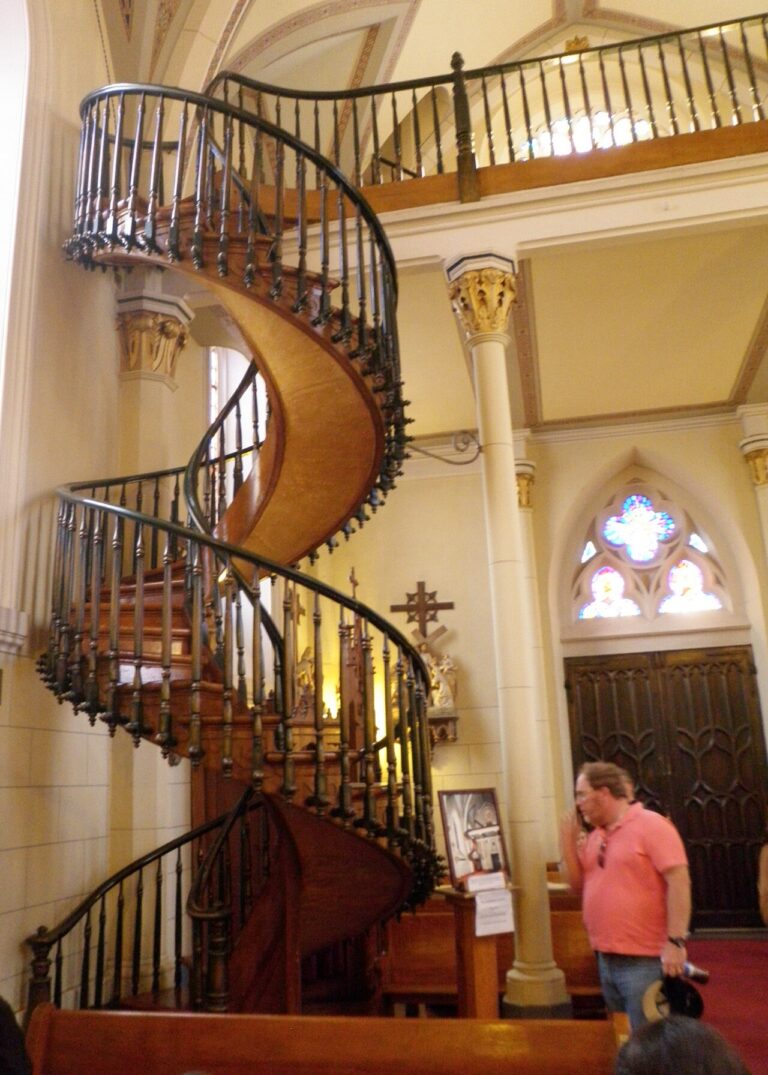
In the tradition, the sisters completed the novena and on the ninth day a stranger with a donkey and a toolbox arrived, built the staircase and left without payment. The full legend, and how it sits beside the historical record, is on the St. Joseph staircase legend.
Quick answers
What is a St. Joseph novena?
Nine consecutive days of prayer asking St. Joseph to intercede for a particular need.
When should I start a St. Joseph novena?
Any time. Many start on 10 March to end on his feast day, 19 March, or on 22 April to end on 1 May.
What prayer is used for a St. Joseph novena?
Any prayer to St. Joseph; the Memorare to St. Joseph is a common choice, often followed by an Our Father, Hail Mary and Glory Be.
Why did the Loretto sisters pray to St. Joseph?
He is the patron saint of carpenters, and they needed a staircase built to their choir loft.
What prayers did the sisters use?
They are not recorded. Only the fact of the novena is preserved in the tradition.
Sources
- Loretto Chapel, “Staircase” (the novena in the chapel’s account).
- Wikipedia, “Loretto Chapel”.
Keep exploring
Researched & fact-checked by the Loretto Volunteers Editorial Team
Loretto Volunteers is an independent research project documenting the history, architecture, and enduring mystery of the Loretto Chapel staircase. We work from primary and archival sources and show our evidence. Last reviewed: June 2026.